Industry News
NEWS
Why Your Automatic Transmission Overheats and How a Cooler Line Assembly Helps
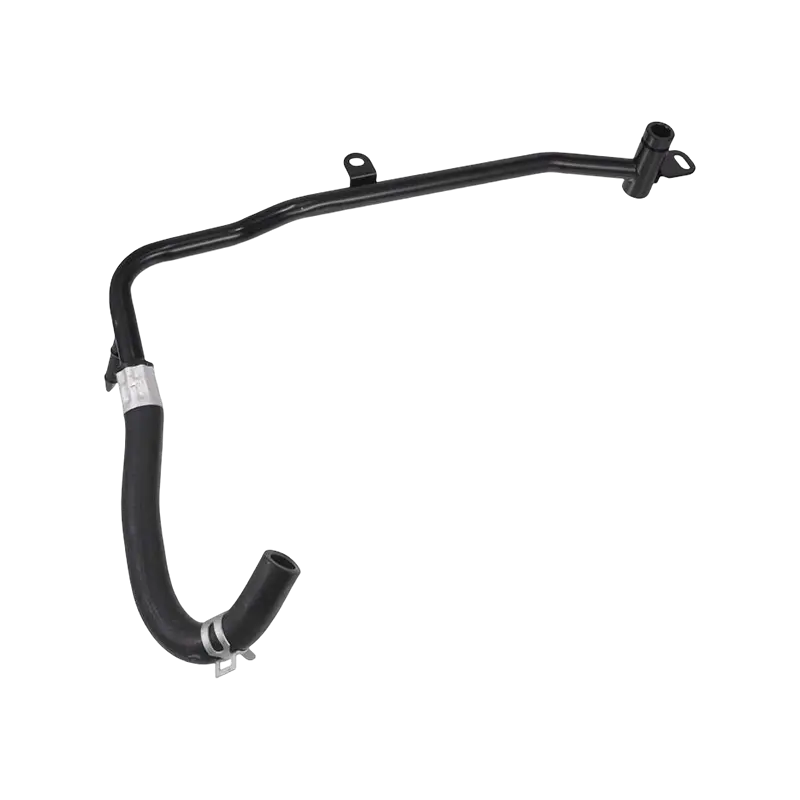
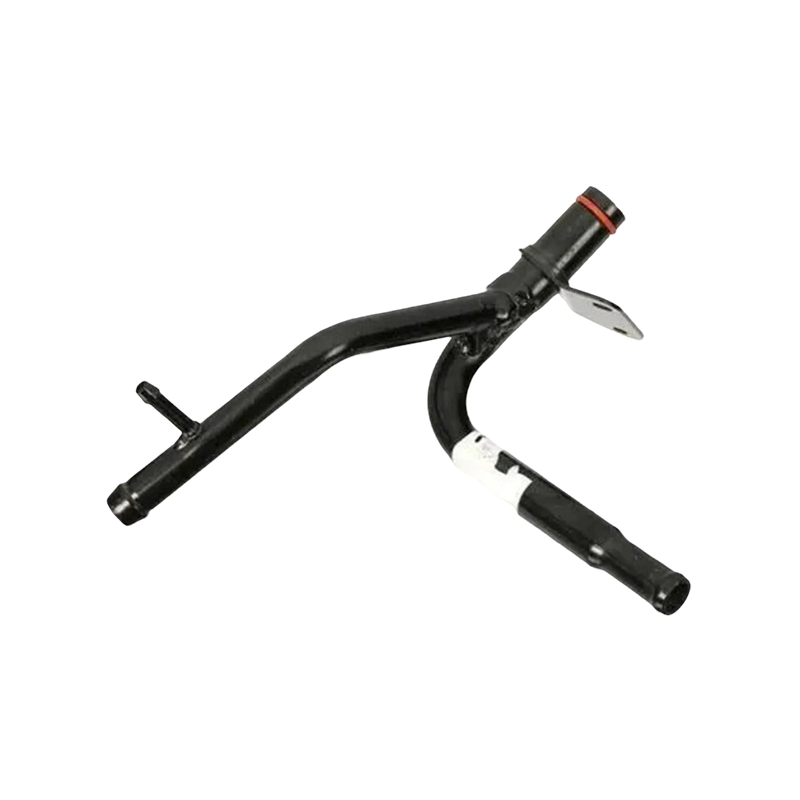
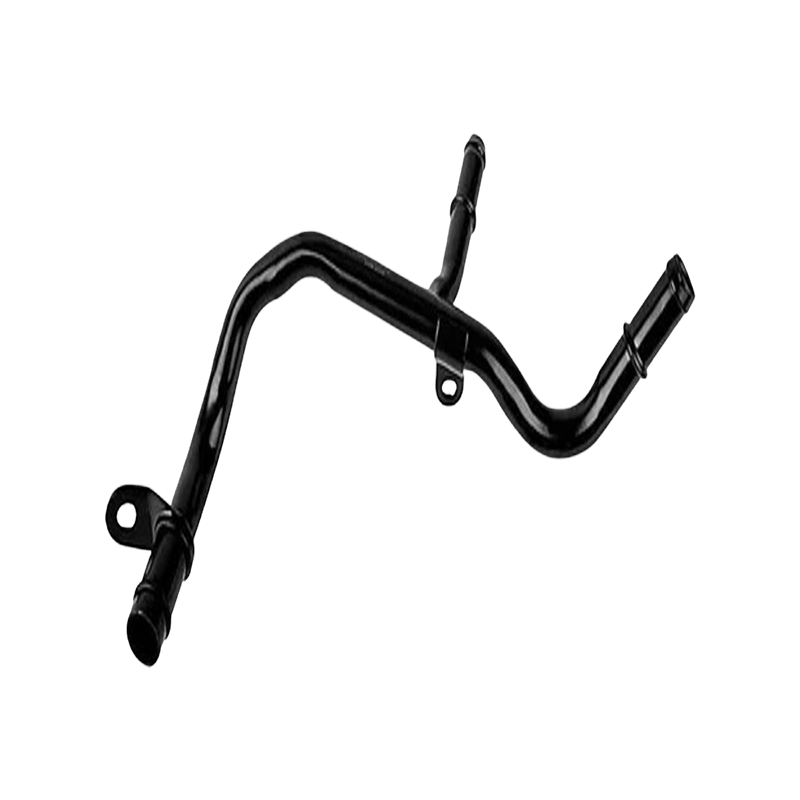
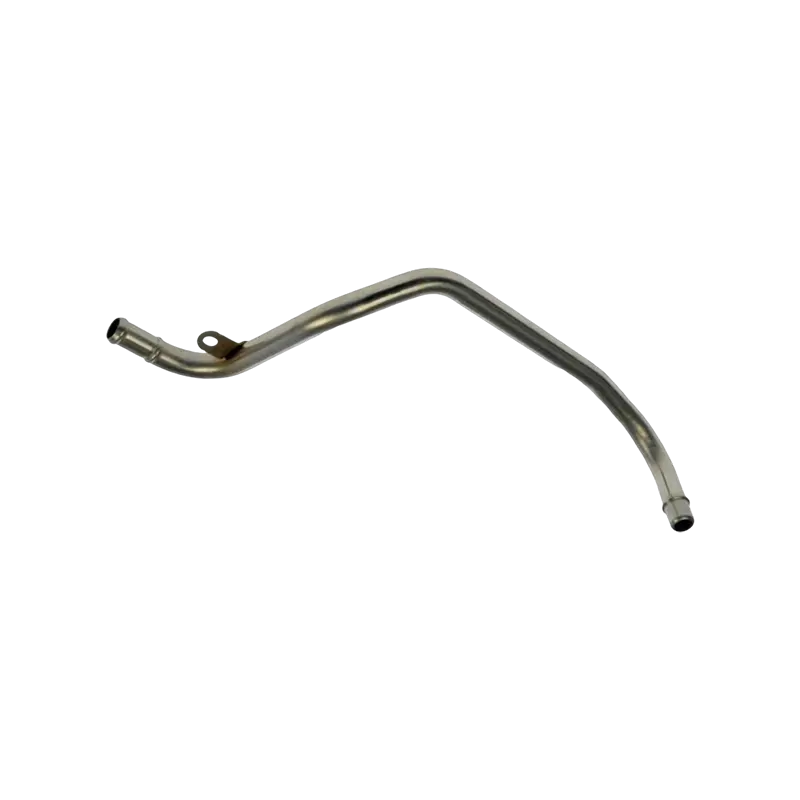
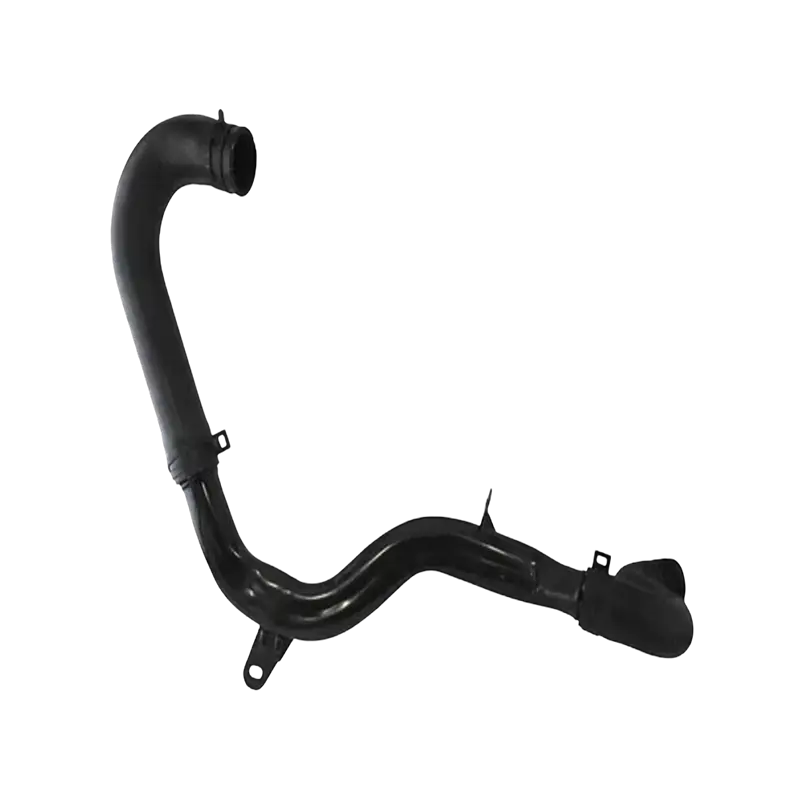
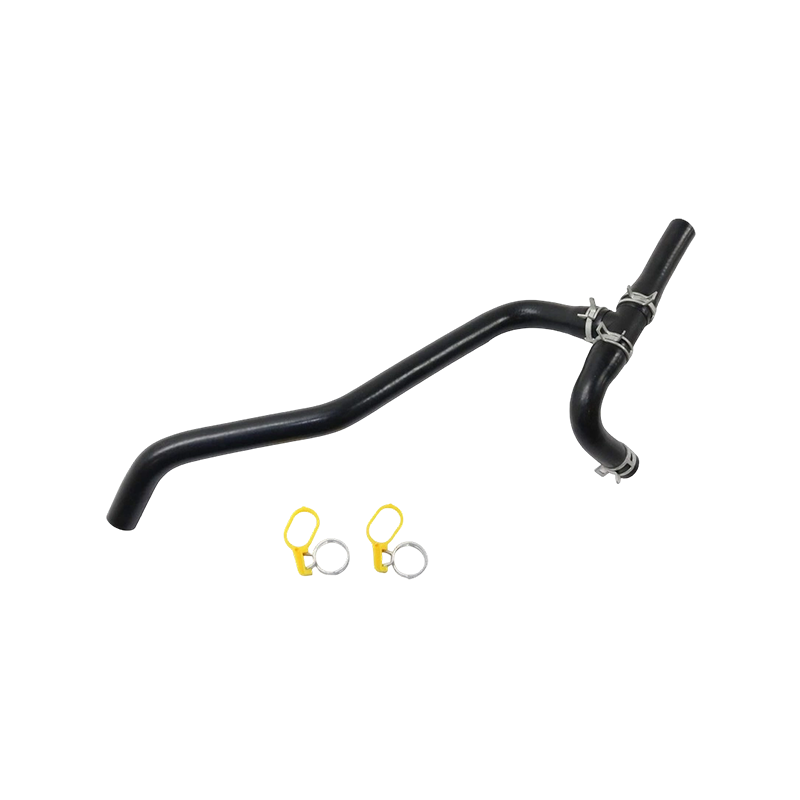
Every vehicle with an automatic transmission relies on a sophisticated system to keep everything running smoothly. One essential component in this system is responsible for moving transmission fluid between the transmission and the radiator cooler. This part, known as a transmission cooler line, ensures proper fluid circulation, which is crucial for maintaining transmission health.
When your vehicle operates, the transmission generates substantial heat. This heat must be dissipated to prevent damage to internal components. The fluid circulates through the cooler line to the radiator, where it releases heat before returning to the transmission. Without this continuous flow, transmission temperatures can rise to dangerous levels, potentially leading to costly repairs or complete failure.
Being aware of warning signs can help you address issues before they escalate. Here are some indicators that your transmission cooling system might need inspection:
Transmission fluid serves multiple purposes: it lubricates moving parts, transfers power, and helps manage heat. However, when temperatures exceed normal operating ranges, the fluid can degrade, losing its effectiveness. This degradation can lead to increased friction, wear on internal components, and eventual mechanical failure.
| Temperature Range | Impact on Transmission |
|---|---|
| 175°F - 200°F (79°C - 93°C) | Normal operating range for most automatic transmissions |
| 200°F - 250°F (93°C - 121°C) | Accelerated fluid degradation begins |
| 250°F - 300°F (121°C - 149°C) | Significant reduction in fluid life and lubrication properties |
| Above 300°F (149°C) | Risk of immediate damage to internal components |
When it's time to replace a worn or damaged cooling line, selecting the right replacement is crucial. Generic parts may not provide the same level of reliability as parts engineered to match original equipment specifications. A precision-engineered assembly designed as a direct replacement for certain Ford vehicles ensures proper fitment and performance.
A well-designed transmission cooler line should offer several important characteristics:
Installing a correctly engineered cooler line assembly provides several advantages for vehicle owners:
| Benefit | Description |
|---|---|
| Extended Transmission Life | Proper cooling reduces wear on internal components |
| Improved Performance | Consistent fluid flow ensures smooth shifting operation |
| Reduced Repair Costs | Preventing overheating avoids expensive transmission rebuilds |
| Peace of Mind | Reliable operation under various driving conditions |
While quality components are essential, proper maintenance practices can further extend the life of your transmission system:
Periodically checking your transmission fluid level and condition can help identify potential issues early. Healthy transmission fluid should be bright red or pink and have a slightly sweet odor. If the fluid appears dark, brown, or has a burnt smell, it may indicate overheating or contamination.
Routinely inspect the area around your transmission and radiator for signs of fluid leaks. Small leaks can quickly become larger issues if left unaddressed. Pay special attention to connection points where the transmission cooler line connects to both the transmission and radiator.
Adhere to your vehicle manufacturer's recommended transmission service intervals. Regular fluid changes help maintain proper cooling efficiency and remove contaminants that can accumulate over time.
When replacing a transmission cooling line, several factors should be considered to ensure successful installation and reliable operation:
Having the right tools makes the installation process smoother and reduces the risk of damaging surrounding components. Common tools needed include line wrenches, pliers for hose clamps, and possibly a jack and jack stands for vehicle access.
Always work on a cool vehicle to avoid burns from hot transmission fluid or engine components. Ensure the vehicle is securely supported before working underneath. Use safety glasses to protect your eyes from potential fluid spray.
After installation, start the vehicle and allow it to reach operating temperature. Carefully inspect all connection points for any signs of leakage. Address any issues immediately to prevent fluid loss and potential damage.
With proper maintenance and normal driving conditions, a quality cooler line can last many years. However, exposure to road salts, extreme temperature cycles, and physical damage can shorten its lifespan.
Driving with a leaking line is not recommended. Low fluid levels can cause immediate damage to your transmission. If you notice a leak, have it inspected and repaired as soon as possible.
Common causes include corrosion from road salt, physical damage from road debris, degradation from repeated heating and cooling cycles, and deterioration of rubber or plastic components over time.
Your vehicle's transmission cooling system plays a vital role in maintaining transmission health and extending component life. Choosing a precision-engineered replacement when repairs are needed ensures reliable performance and helps prevent overheating issues. By understanding the importance of proper fluid circulation and recognizing signs of potential problems, vehicle owners can take proactive steps to maintain their transmission system effectively.
Regular inspections, timely replacements, and quality components all contribute to a transmission that operates smoothly and lasts longer. Whether you're performing maintenance yourself or working with a professional mechanic, ensuring your transmission cooler line is in good condition is an investment in your vehicle's reliability and longevity.
Contact Us
+86-138 0586 3066
+86-574 8840 6311
Send An E-mail
Mobile
Copyright ?NINGBO JIATIAN AUTOMOBILE PIPE CO.,LTD. All Rights Reserved.

China's Premium Automotive Tube Factory
Custom Automotive Pipe Fittings Supply